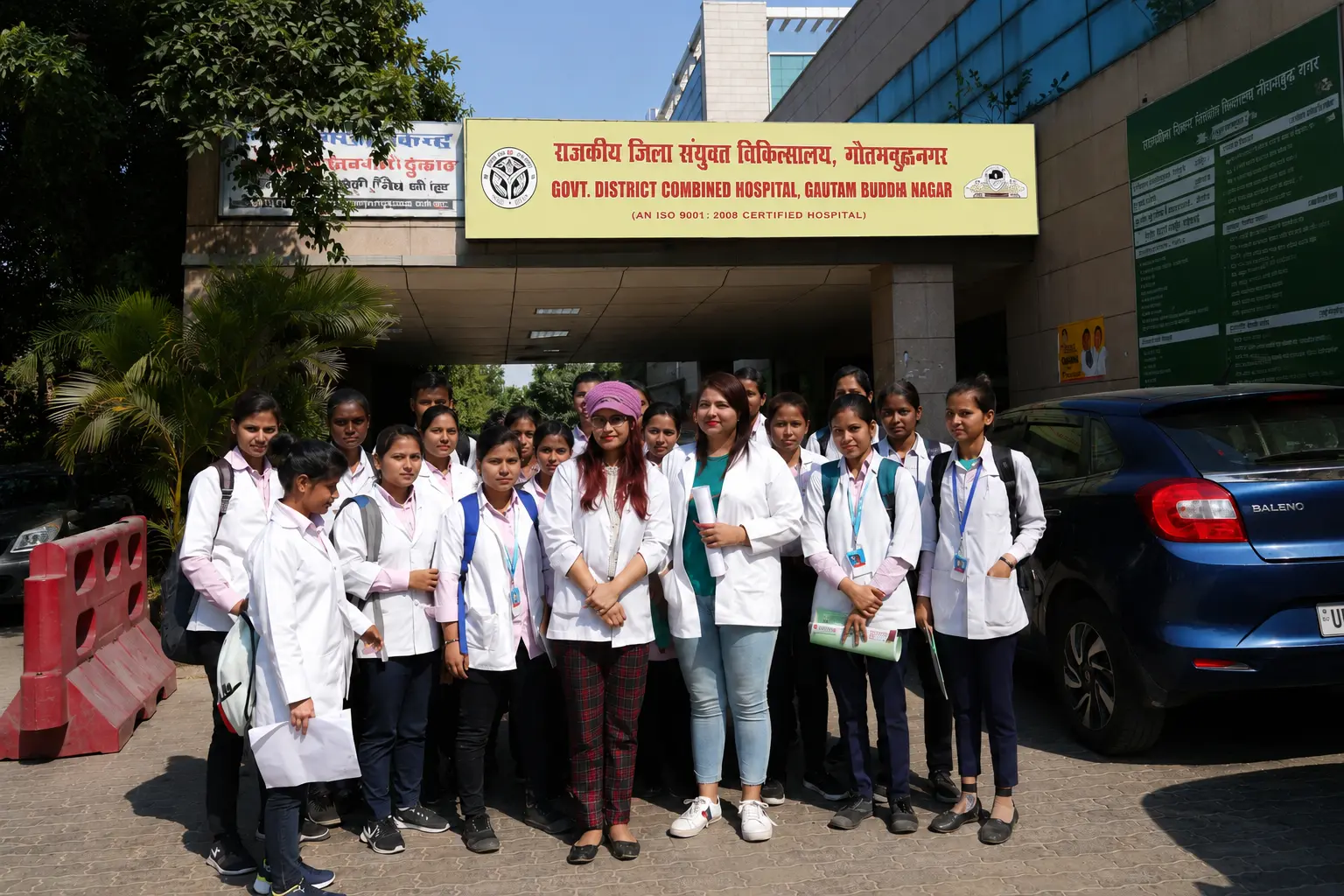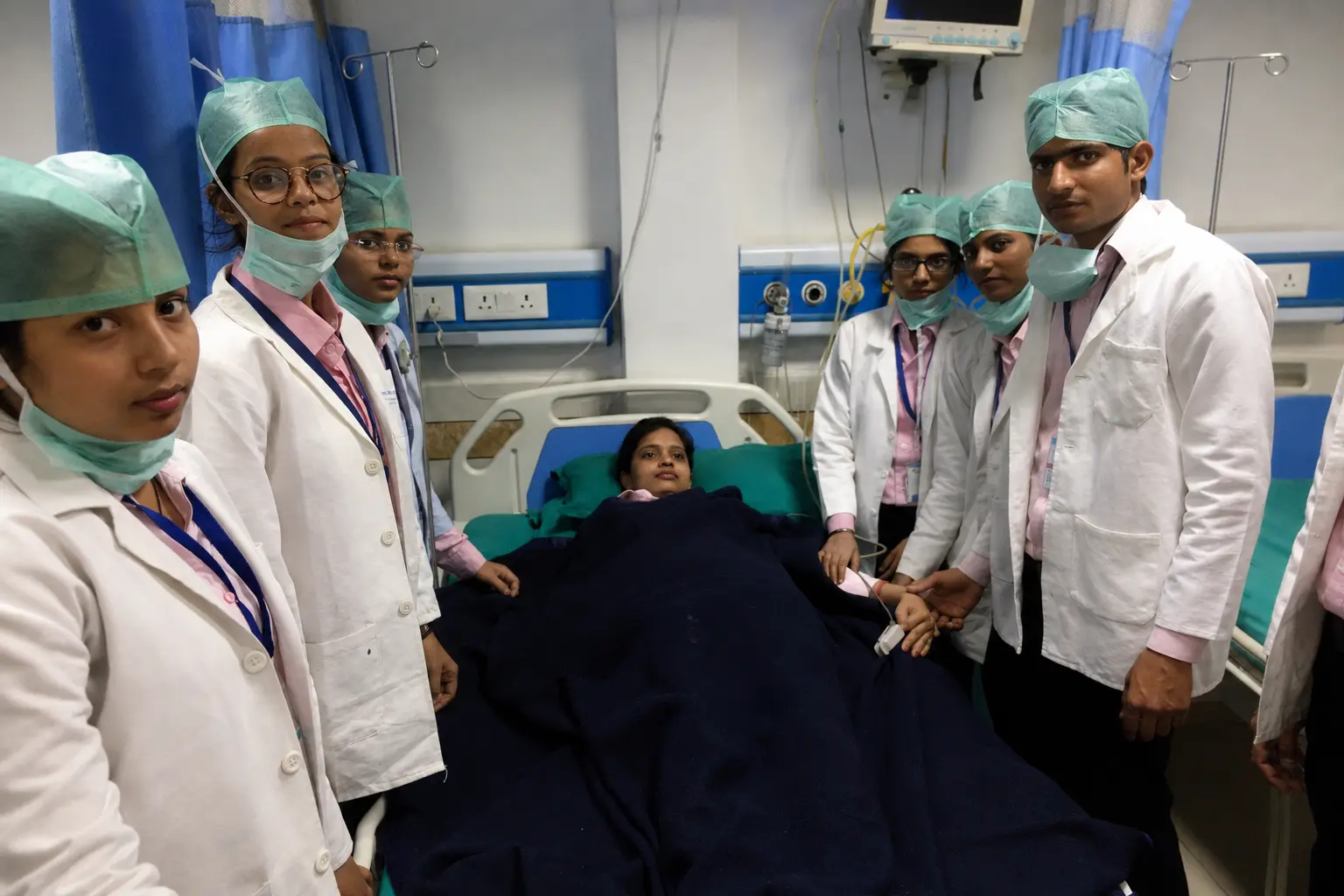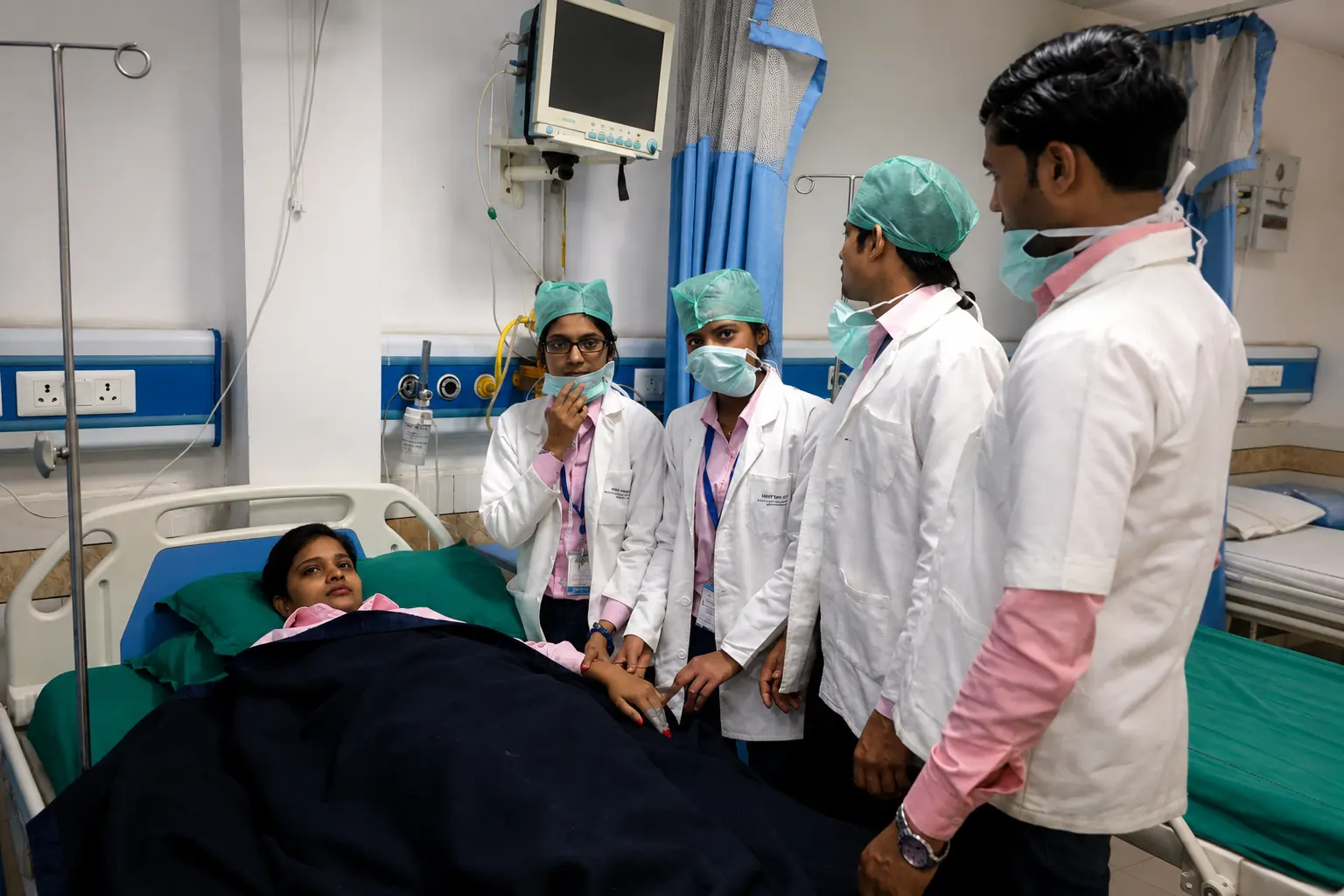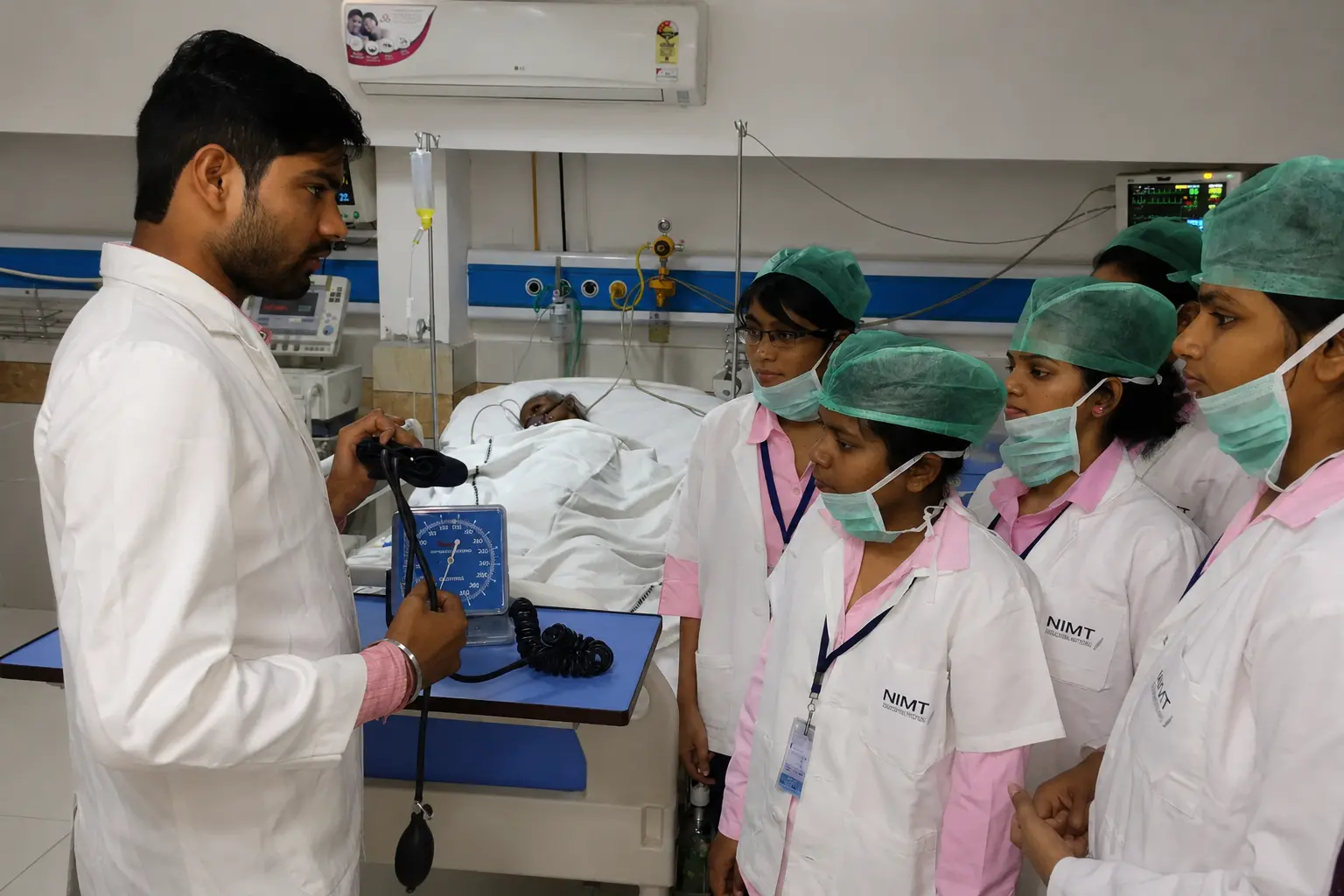



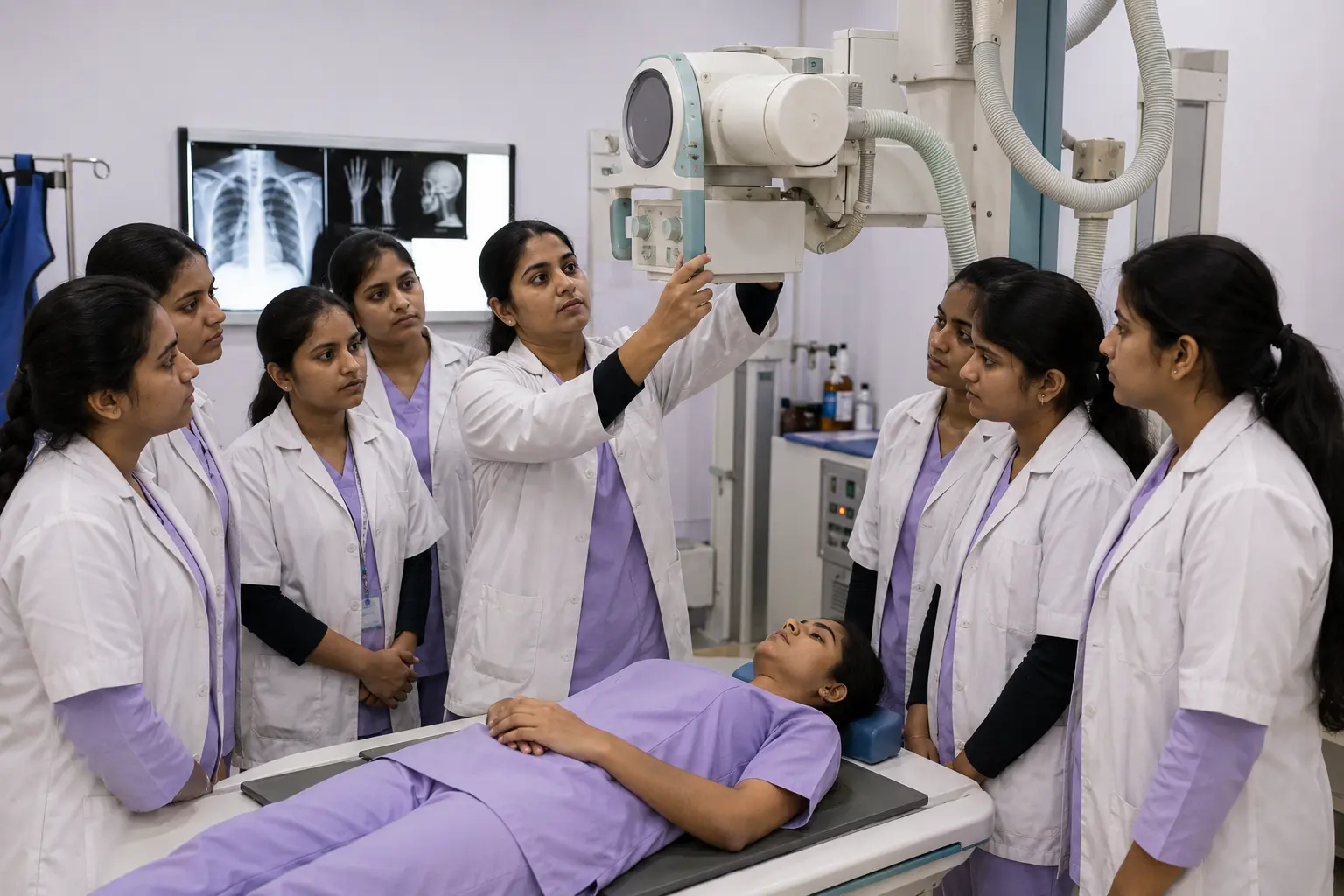
Comprehensive Clinical & Practical Training
One of the most fulfilling and lucrative nursing specialties to consider pursuing is that of a General Nurse Midwife. If you're someone with a strong interest in women's gynecological health, prenatal and postnatal care, becoming a GNM is a perfect path. Because you'll be considered an Advanced Practice Registered Nurse (APRN), there is a specific educational path you must take in order to begin your career.
Nurse midwives (GNMs) do more than just deliver babies. GNMs provide health care and wellness care to women, which may include family planning, gynecological checkups, and prenatal care. Although their approach is somewhat different, GNMs in many ways offer similar care to that of an OB/GYN doctor.
Perhaps their most important job, however, is helping mothers birth their babies safely and naturally. They help patients manage their labor and monitor both the moms and babies during the delivery to ensure safety. In some cases, they work under the supervision or in collaboration with physicians during C-section births.
GNMs are Registered Nurse and Registered Midwife and receive registration number on successful completion of the course from state and Indian nursing council.
What Do Registered Nurse (RN)s Do?
The registered nurses (RN) work for hospitals or medical clinics. They may also work for other organizations, such as outpatient facilities, rehabilitation centers, or senior centers. Their main job is to promote wellness and health.
Some employers require candidates to have prior experience as an RN. They must have a license from their state's board of nursing. In order to administer medications, some states require that RNs pass a medication administration exam. They must follow standards of care and practices. They must be able to use various medical instruments.
They may be required to travel to visit patients at their homes. They must be able to work in a team environment. They must have excellent interpersonal and communications skills. They must follow doctors' instructions. They may be required to attend various workshop, classes, or conferences to improve their skills as RNs. They must read professional journals to keep themselves up to date with current medical findings and technology. They may have to renew their nursing licenses regularly, depending on the states where they are practicing as RNs. They may be required to train, coach, or mentor new or more junior nurses.
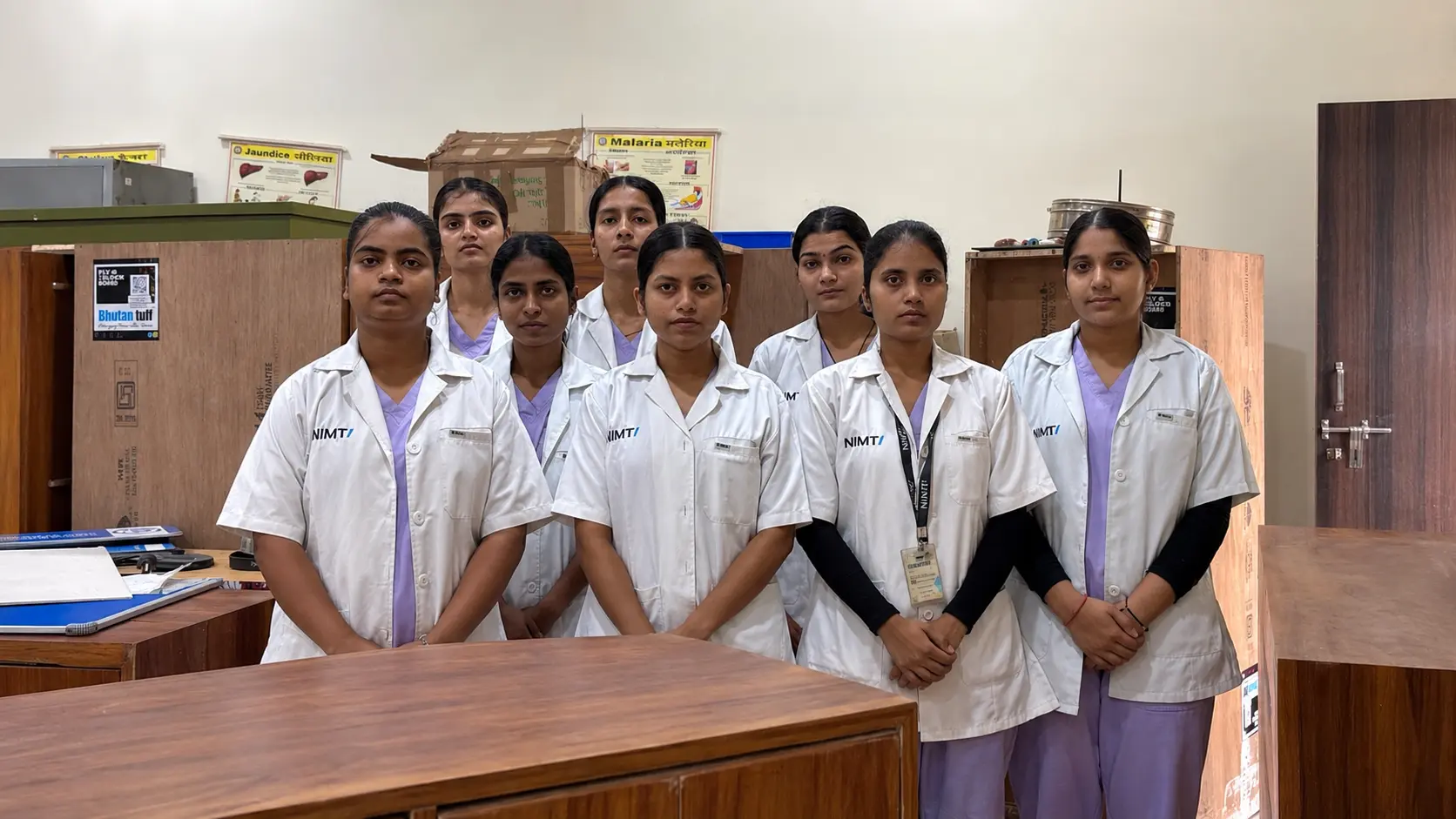
Mission Statement & Student Outcomes
The mission of the program is to provide a comprehensive, industry-aligned education that prepares competent, entry-level professionals for the healthcare community. Students master precision techniques, patient care protocols, and advanced diagnostic workflows.
- National certification & licensing readiness
- Direct clinical exposure across affiliate hospital networks