BBA+ & BCA+Round 1 Deadline 2nd September 2026, 11:59 PM0d 00h 00m 00sAdmissions 2026-27Round 2 Deadline (For all other courses): apply by 2nd September 2026
Apply Now →
WHEN INDIA’S SCHOOL FOCUSED POLICIES FALL SHORT IN IMPROVING CHILD HEALTH
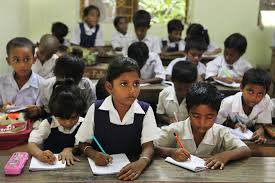
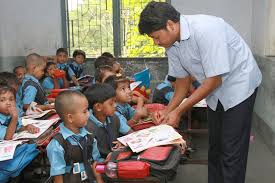
With the increasing population, the situation of children in India is going worse. India’s children are suffering from many health problems.
The Government of India has been expanding this sanitation programme all over India. Government is taking surveys every third- fourth year to check the quality of food and amount of nutrition to be consumed by students. This midday meal system is up to 8th class and there is a difference in the quantity of food given to students. Recently the intensive School Water and Sanitation Towards Health and Hygiene (SWASTH) scheme has been delivered in three states in collaboration with the IRC International Water and Sanitation Centre and UNICEF. Despite all these programmes made by the Government of India, there is still wide unwarranted variation in the resources available for them across states as well as the quantity and effectiveness of implementation of these programmes. This led to variations in variation and health-related outcomes in India’s school children. One of the key principles of Nourishing Schools is to properly measure the impact of its interventions. Many measurements were taken to understand the hygiene practice of different schools. Sanitation problems have led to diarrhoea, students don’t use soap after toilet use which led to an increase in their chances of getting diarrhoea. In some schools, students have gastrointestinal problems after eating a mid-day meal.