BBA+ & BCA+Round 1 Deadline 2nd September 2026, 11:59 PM0d 00h 00m 00sAdmissions 2026-27Round 2 Deadline (For all other courses): apply by 2nd September 2026
Apply Now →
What is cultural diversity and why is it important in class?
Cultural differences should not separate us from each other, but rather cultural diversity brings a collective strength that can benefit all of humanity
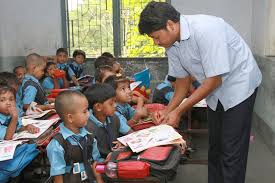
-M. Scott Peck Cultural diversity, made up of two words culture and diversity, to understand the union, let us understand them individually. Culture refers to the beliefs, values, behaviour and norms of a society. Whereas diversity refers to the quality which makes a class unique inclusive of colour, language, ethnicity, socio-economic status or cultural background but just not limited to these. An Example of this was recently seen on the internet. When the issue was raised that the Internet has been a predominantly English- language medium because nearly 56% of Web content is in English, There are some challenges faced by cultural diversity even today, some of them are: - - Negative cultural stereotypes still prevail due to which interaction between different cultural teams become difficult and make them less inclined to work together. - Different cultures have different working style and professional etiquettes, these differences at times create hurdles in productivity. This includes different approaches to dealing with conflicts, the varied meaning of discipline etc. Cultural diversity in class Culture is really important as it is so deeply ingrained in students, that tone of voice, facial expressions and body language can very well depict the varied culture. Cross-culture dissonance is very common in a space with varied culture, an example of this was when a girl in a school called her teacher ma’am and her parents were called for her usage of this word, this depicts the difference in the etiquettes due to difference in cultural backgrounds. Managing cultural diversity in the classroom is important as it plays a major role in student’s growth and maintaining a healthy relationship between teacher and student. Here are some steps as to how this can be done. - Teachers should appreciate students to learn more about their culture and find ways to solve problems taking the help of such research. This can prove to be an amazing assignment. Students can even give presentations on how their culture uplift them, what they learn from it and how they embrace it. This will help peers in understanding each other’s culture and also help them to be respectful of each other. This is a mature way to help out diminish the cultural inequalities or dissonance. - Diverse perspectives inspire creativity and give birth to innovation. The heterogeneous group of people prove to be more effective at the time of problem-solving due to diverse capabilities. - Knowing people from different backgrounds gives us the opportunity for growth and deeper understanding. Cultural differences should not separate us from each other, but rather cultural diversity brings a collective strength that can benefit all of humanity - Robert Alan.

.jpeg)